
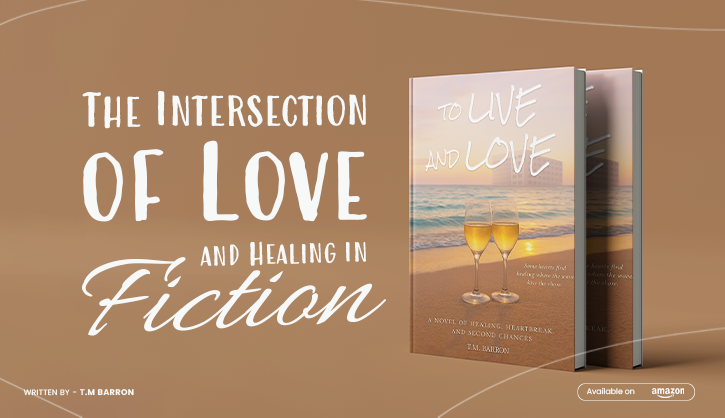
Love is one of the most universal themes in storytelling, but when intertwined with healing, it becomes even more powerful. Stories that explore love as a force for recovery, whether emotional, psychological, or spiritual, resonate deeply because they reflect a fundamental human truth: love can help mend what was once broken. From relationships that restore trust to self-love that fosters growth, fiction provides a rich canvas for exploring the transformative power of emotional connection. Through the careful weaving of love and healing, authors create narratives that not only entertain but also offer insight into the human condition and the resilience of the heart.
Healing through love often begins with vulnerability. Characters must allow themselves to be seen, flaws and all, to experience the restorative effects of connection truly. Vulnerability in fiction is not a sign of weakness; rather, it is the doorway to emotional authenticity. Whether it is a character struggling with grief, trauma, or betrayal, the willingness to accept love, romantic, platonic, or familial, catalyses profound personal growth. Writers who authentically portray these journeys enable readers to reflect on the importance of trust, forgiveness, and intimacy in their own lives. Vulnerable moments allow readers to connect deeply with characters, fostering empathy and emotional investment.
Relationships in fiction serve as mirrors, reflecting both the strengths and weaknesses of characters. A character might encounter a friend who challenges destructive patterns, a mentor who offers guidance, or a romantic partner who encourages self-acceptance. These interactions offer characters the opportunity to confront their insecurities, reassess their priorities, and gradually heal. The dynamic between characters highlights the complexity of human emotion, showing that love is not always simple but is a force that nurtures resilience and growth. For instance, a protagonist learning to forgive a past betrayal through the patience and support of a loved one demonstrates how relational bonds can catalyse emotional restoration.
Healing does not always follow a linear trajectory. Characters may face setbacks, doubts, or conflicts that test their capacity to give and receive love. This non-linear path mirrors real life and makes the story more relatable. By illustrating struggles alongside triumphs, writers create authentic emotional arcs that resonate with readers, reminding them that personal growth often requires patience, effort, and courage. The tension between progress and relapse deepens the narrative, allowing readers to witness the characters’ authentic humanity.
Symbolism and setting can further enhance stories of love and healing. A quiet beach can signify renewal, a broken bridge can represent fractured relationships, and the act of rebuilding a home can mirror emotional reconstruction. Seasons, weather, and landscapes can also reflect internal change, a stormy night representing turmoil, a sunrise signalling hope, or autumn leaves embodying acceptance and letting go. Through careful integration of setting and symbolic imagery, authors communicate emotional subtext, reinforce themes, and deepen the reader’s connection to the story. These visual and environmental cues can evoke powerful emotions without the need for explicit exposition.
Love as a healing force extends beyond interpersonal relationships. Self-love is equally vital in narratives of recovery. Characters who learn to forgive themselves, embrace their imperfections, and acknowledge their worth demonstrate that healing begins internally. Readers find these arcs particularly inspiring because they reflect real-life journeys toward self-compassion, resilience, and emotional empowerment. Self-love often acts as the foundation for healthy external relationships, showing that personal growth is intertwined with relational harmony.
Dialogue, internal monologues, and nuanced character interactions all play critical roles in portraying love and healing. Subtle expressions of care, moments of empathy, and reflections on past wounds convey emotional depth without over-explaining. A gentle touch, a shared silence, or a heartfelt confession can communicate volumes about healing and connection. Writers who skilfully incorporate these techniques allow readers to immerse themselves in the character’s experience, forging a deeper emotional bond with the narrative and reinforcing the story’s themes of trust and restoration.
In conclusion, the intersection of love and healing in fiction provides fertile ground for exploring human emotion. Through vulnerability, meaningful relationships, self-discovery, and symbolic storytelling, writers craft narratives that resonate universally. These stories remind readers that while life often presents challenges, love, both given and received, holds the power to restore, transform, and inspire hope. Fiction, at its best, offers not only entertainment but also an emotional blueprint for healing and growth. By exploring these themes with depth and sensitivity, authors create stories that linger in the heart, encouraging readers to embrace vulnerability, nurture connections, and find solace in the transformative power of love.