
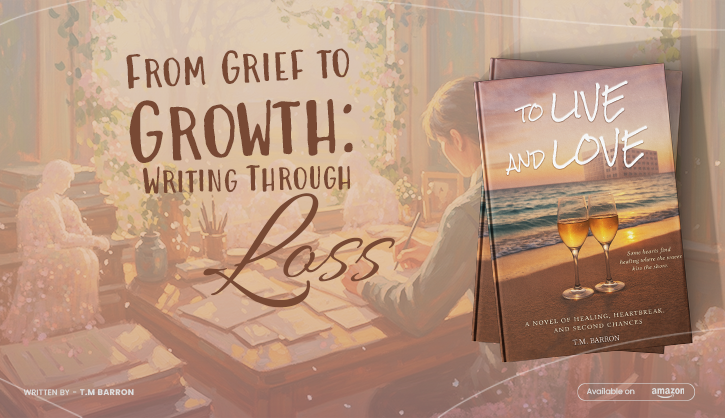
Grief is one of the most challenging and universal human experiences. It arrives uninvited, often leaving us struggling to make sense of our emotions, questioning our sense of purpose, and feeling disconnected from the world. Yet for writers, grief can also serve as a powerful creative tool. When channeled thoughtfully into storytelling, grief not only deepens narrative authenticity but also provides a path toward emotional healing, for both the writer and the reader.
In storytelling, grief allows authors to explore the full spectrum of human emotion. It is rarely linear, often interwoven with anger, confusion, denial, and eventual acceptance. By reflecting this complexity through characters, writers create narratives that feel real and relatable. Readers encountering these characters may recognize fragments of their own experiences in the story, offering solace and validation that they are not alone in their emotions.
Consider a protagonist mourning the loss of a loved one. Their journey may include moments of despair, flashes of anger, and periods of numbness. They might retreat from friends or act in ways that seem irrational, yet these behaviors mirror the real emotional turbulence people experience during grief. By illustrating such nuanced emotional shifts, writers make grief tangible, helping readers process similar feelings in their own lives.
Writing through grief is often a deeply personal process. Many authors draw from their own experiences, transforming personal pain into narrative structure. Journaling or free writing can be an initial step, helping to articulate feelings that are difficult to express in conversation. Incorporating sensory details, the scent of rain on a grave, the echo of an empty room, the warmth of a remembered touch, immerses readers in the character’s reality, creating a visceral connection that transcends the page.
Symbolism and metaphor are also powerful tools in grief-centered storytelling. A stormy landscape can reflect inner turmoil, a broken object may symbolize irreparable loss, or a single ray of sunlight might represent hope and renewal. These devices allow writers to communicate complex emotions subtly and powerfully, offering readers a layered reading experience that engages both the heart and the mind.
Equally important is exploring growth alongside grief. Characters who navigate profound loss often emerge transformed, discovering resilience and new perspectives on life. This transformation does not have to erase sorrow; rather, it demonstrates the human capacity to adapt, to heal, and to find meaning even amidst suffering. Such narratives can inspire readers to believe in the possibility of personal growth after hardship, reinforcing the universality of the human experience.
Furthermore, grief in storytelling fosters empathy. When authors portray vulnerability and raw emotion authentically, readers are invited to engage deeply with the narrative. This shared emotional journey strengthens the connection between writer and reader, creating a safe space for reflection, healing, and understanding. Stories of grief, therefore, serve a dual purpose: they are both a mirror of our own struggles and a guide toward hope and recovery.
Finally, writing through grief underscores the profound power of storytelling itself. By transforming personal pain into narrative, writers contribute to a larger conversation about resilience, compassion, and emotional truth. Such stories are timeless, resonating across cultures and generations because they touch on an experience that every human shares. They remind us that while grief is painful, it can also be a source of strength, insight, and creative expression.
In conclusion, grief is more than a theme, it is a lens through which writers can explore the depths of the human experience. By capturing sorrow, transformation, and the eventual emergence of understanding, authors create stories that resonate deeply and authentically. Writing through grief is an act of courage, empathy, and healing, offering both the writer and the reader a path from pain toward growth and renewal.